


How to Build a Disney Vacation Fund With Discounted Gift Cards

A Disney trip gets expensive fast, and the hardest part is often not the total cost. It is finding a way to save for it without letting the trip sneak onto a credit card.
Discounted Disney gift cards can help, especially if you use them slowly and intentionally. The idea is simple: buy Disney gift cards for less than face value, then save them for the trip. A card that costs $485 but gives you $500 in Disney spending money is only a $15 difference, but repeated over time, that discount starts to matter.
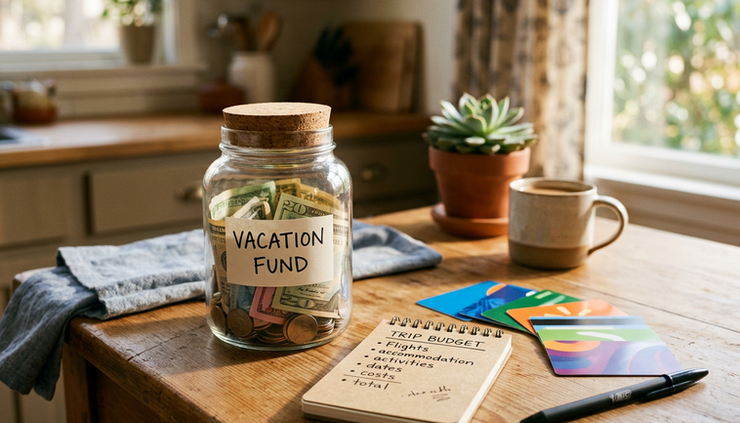
The better strategy is not to rush out and buy $2,500 worth all at once. Treat the cards like a Disney vacation fund. Add to it when you have extra cash. Let the balance grow. By the time the trip gets closer, part of the vacation is already paid for, and the money has a clear job.
This is general budgeting information, not financial advice. Gift card rules, retailer discounts, and Disney policies can change, so check the current terms before buying.
Why discounted gift cards work well for Disney trips
Disney vacations are full of big, predictable costs. Park tickets, hotel stays, meals, souvenirs, and special extras can all add up before the trip even starts. That makes Disney a good fit for a dedicated savings method.
When buying discounted gift cards, the math is usually modest but useful. A common example looks like this:
You pay | Gift card value | Built-in savings |
$485 | $500 | $15 |
$970 | $1,000 | $30 |
$1,940 | $2,000 | $60 |
$2,910 | $3,000 | $90 |
A $15 discount on one card will not change the whole trip. But the real value comes from combining two things:
A small discount
A clear savings boundary
That second part matters more than people think. Money in a regular checking account can disappear into groceries, gas, takeout, or random purchases. Disney gift cards are not as flexible, which can be a good thing if the goal is to protect vacation money from everyday spending.
Once the money becomes Disney money, it is harder to casually spend it on something else.
This is where the strategy feels less like a coupon trick and more like a vacation planning system. You are not just trying to save 3% or 5%. You are creating a separate bucket for the trip.
Treat the cards like a Disney savings account
The safest way to use this strategy is slowly.
Instead of buying $2,500 worth of gift cards tomorrow, build your balance in stages. Buy one discounted card when the money is already available. Then wait. Buy another one later. Repeat only when it fits your normal budget.
For example:
Buy one $500 Disney gift card for $485
Set it aside for the trip
A month or two later, buy another $500 card for $485
Keep going as extra cash allows
After four purchases, you have $2,000 in Disney spending power. You paid $1,940, based on that example discount. More importantly, you now have $2,000 already dedicated to the trip before you ever check into a hotel or walk through the park gates.
That can reduce the urge to finance the vacation with a credit card.
This matters because the discount can disappear fast if you carry credit card interest. Saving $60 on gift cards does not help much if a vacation balance sits on a credit card for months. The strongest version of this strategy is cash-first. Buy the cards with money you already have, not money you hope to have later.
Think of each card as a deposit toward the trip. Not a purchase. Not a splurge. A deposit.

A simple plan for building the fund
A gift card strategy works best when it has rules. Without rules, it becomes easy to overbuy, lose track, or lock up money you might need for something more urgent.
Start with the trip estimate. It does not need to be perfect. Just get close enough to know what you are aiming for.
Possible categories include:
Park tickets
Hotel or resort stay
Food and snacks
Souvenirs
Transportation
Special experiences
A buffer for price changes or surprises
Then decide which parts you want to cover with gift cards. You may not want the entire trip stored this way. For many families, gift cards work best for the Disney-specific expenses, while cash stays available for flights, rideshares, airport meals, pet care, or emergencies.
A practical target might be $2,000 to $3,000 in Disney gift cards over time, depending on the trip. That could cover a meaningful part of the vacation without putting every dollar into gift card form.
Here is one simple schedule:
Month | Action | Running Disney balance |
January | Buy one $500 card for $485 | $500 |
March | Buy one $500 card for $485 | $1,000 |
May | Buy one $500 card for $485 | $1,500 |
July | Buy one $500 card for $485 | $2,000 |
September | Buy one $500 card for $485 | $2,500 |
This kind of schedule keeps the strategy manageable. It also gives you time to adjust. If March is tight, skip the purchase. If you get a bonus or sell something you no longer need, you might buy one early.
The goal is not perfection. The goal is to arrive at the trip with fewer costs left to cover.
A good rule is this: only buy a gift card after your regular bills, emergency savings needs, and debt payments are handled for the month. A discounted gift card is still spending. It just happens to be spending for a future trip.
Where the discount usually comes from
Discounted Disney gift cards often come from ordinary retail promotions. Warehouse clubs, grocery stores, big-box stores, credit card offers, and cash-back portals may create ways to buy a gift card below face value or earn rewards on the purchase.
The discount may show up in a few different ways:
Discount type | How it works |
Immediate discount | You pay less than the card value at checkout |
Store rewards | You earn points, fuel rewards, or store credit |
Credit card cash back | You earn cash back if the merchant category qualifies |
Limited-time offer | A retailer runs a short promotion on gift cards |
The cleanest version is an immediate discount, like paying $485 for a $500 card. It is easy to understand, and the savings are clear.
Rewards-based deals can also be useful, but they need more care. If the savings come later as points or store credit, make sure those rewards are actually useful to you. A $20 reward at a store you rarely visit may not be worth the effort.
Also watch out for fees, shipping charges, activation problems, or confusing terms. A good deal should still feel simple after reading the fine print.
The best approach is to keep a small note with:
Purchase date
Where you bought the card
Amount paid
Face value
Card number or reference, stored securely
Confirmation that the card balance was checked
Do not rely only on memory. A vacation fund should be boring and trackable.

The risks to think about before buying
Discounted gift cards can be useful, but they are not the same as cash. That is the tradeoff.
Once you convert money into a Disney gift card, you limit what that money can do. That may help you save for the trip, but it can also create problems if plans change.
Before buying a large amount, think through these risks.
Trip plans can change
Life happens. Work schedules shift. Kids get sick. Flights become too expensive. A trip may move from spring to fall, or from this year to next year.
Disney gift cards generally do not work like cash in your bank account. If you need the money for a car repair or medical bill, the card will not help much.
That is why gradual buying is safer. A $500 card is easier to live with than $3,000 locked up at once.
Discounts can tempt you to overspend
A sale can create urgency. That urgency can lead to buying more than planned.
The discount is only helpful if you were already going to spend the money on Disney. If a promotion pushes you to add expensive extras just because you have a gift card balance, the savings vanish.
Set a trip budget first. Then buy cards to support that budget.
Gift cards need to be protected
Treat Disney gift cards like cash. If a card is lost, stolen, or compromised, resolving it can be stressful. Keep physical cards in a safe place. Save receipts and order confirmations. Track balances.
If you combine or manage balances online, use the official card site and follow Disney’s current rules. Balance limits and account features can change, so check before moving large amounts around.
Refunds may go back to gift cards
If you pay with a gift card and later cancel something, the refund may return to a gift card instead of your bank account. That is common with gift card purchases in general.
This is not always a problem if you still plan to take the trip. But it matters if you might need flexibility.
How much should you keep in gift cards?
There is no perfect number, but a balanced approach works best.
Putting every vacation dollar into gift cards can feel satisfying, but it reduces flexibility. Keeping everything in cash gives you flexibility, but it may be easier to spend before the trip.
A middle path often makes sense.
You might use gift cards for:
Park tickets
Disney hotel payments
Meals on property
Souvenirs
Mobile food orders, where accepted
Planned extras
You might keep cash or regular savings for:
Flights
Gas
Rental cars
Airport food
Tips
Travel insurance
Pet care
Emergency expenses
Non-Disney hotels or activities
For many trips, the sweet spot is enough gift card money to cover a meaningful part of the Disney costs, while leaving a separate cash cushion for everything else.
A simple split could look like this:
Vacation category | Best funding method |
Disney tickets | Gift cards or cash |
Disney resort balance | Gift cards or cash |
Food in the parks | Gift cards |
Souvenirs | Gift cards |
Flights | Cash or travel card |
Emergency buffer | Cash |
Off-property expenses | Cash |
This keeps the strategy useful without making your whole vacation budget rigid.
A realistic example of the strategy
Imagine a family planning a trip next year. They estimate that Disney-specific costs will be around $3,000. They do not want to put that amount on a credit card at the last minute.
They decide to build the fund slowly.
Every couple of months, when the budget allows, they buy a $500 Disney gift card at a discount. In this example, each one costs $485. They track each purchase in a simple note on their phone and keep the cards stored safely.
After six purchases, they have:
$3,000 in Disney gift card value
$2,910 spent
$90 saved through discounts
A large part of the trip already funded
The $90 savings is nice. But the bigger win is that the family has been setting aside vacation money all year. They are not scrambling. They are not charging the whole trip and hoping to catch up later.
That is the real power of a Disney gift card strategy. The discount helps, but the habit does most of the work.
Make the fund easy to manage
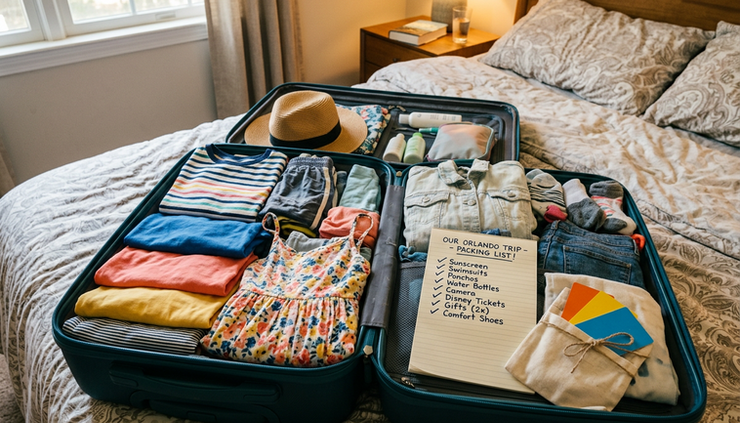
The more cards you buy, the more organization matters. A few minutes of tracking can prevent headaches later.
Use a simple system like this:
Keep all unused cards in one safe place
Write down each card’s value
Save purchase receipts and email confirmations
Check balances after buying
Note when and where each card is used
Avoid carrying every card in the park if you do not need to
A spreadsheet works, but a notes app or paper notebook is fine too. The best system is the one you will actually update.
Also decide who manages the fund. If multiple people in the household are buying cards, duplicate tracking can get messy. One shared note or one person in charge can keep things clean.
For digital cards, keep emails organized and secure. For physical cards, do not leave them loose in a drawer, car, or suitcase. Treat them like a stack of cash, because that is basically what they are.
The best reason to use this strategy
The headline benefit is the discount. The deeper benefit is control.
A Disney trip can feel like one giant bill. Discounted gift cards break that bill into smaller, planned steps. One card at a time, you turn available cash into dedicated vacation money.
That is why the “Disney savings account” mindset works so well. You are not trying to beat the system. You are giving your trip a funding plan.
Start small. Buy one discounted card when the money is truly available. Track it. Protect it. Then do it again when the budget allows.
By the time the vacation arrives, the best feeling may not be the money saved on the cards. It may be knowing that part of the trip is already paid for, without dragging the vacation home as a credit card balance.


Comments