


Unlocking Confidence: How Your Appearance Influences Your Self-Perception and Mood
- EchoWave

- Apr 10
- 3 min read
The way you look can shape how you feel and think about yourself. When you look your best, it often leads to a boost in confidence and a more positive mindset. This connection between appearance and self-perception is powerful and worth understanding. This post explores how your appearance affects your mood and self-image, and offers practical tips to help you always look and feel your best.
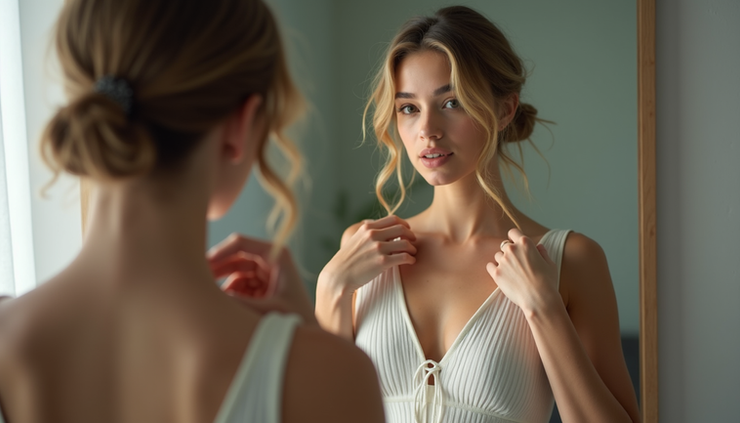
How Appearance Shapes Self-Perception
Your appearance is one of the first things you notice about yourself each day. It sets the tone for how you approach the world. When you feel good about how you look, your brain responds with increased self-esteem and motivation. This happens because:
Visual cues influence emotions: Seeing yourself well-groomed or dressed in clothes that fit well triggers positive feelings.
Body language improves: When you feel confident in your appearance, you tend to stand taller and make stronger eye contact.
Social interactions become easier: Confidence in your look helps reduce anxiety in social settings, making conversations flow more naturally.
For example, someone who takes time to dress neatly before a job interview may feel more prepared and self-assured, which can improve their performance.
The Science Behind Appearance and Mood
Research shows that appearance impacts mood through psychological and physiological pathways. When you look your best, your brain releases dopamine and serotonin, chemicals linked to happiness and reward. This creates a feedback loop where feeling good about your appearance improves your mood, and a better mood encourages you to maintain your appearance.
Studies also find that people who invest in their appearance report higher life satisfaction and lower stress levels. This is not about vanity but about self-care and respect for oneself.
Practical Ways to Always Look Your Best
Looking your best does not mean following every fashion trend or spending hours in front of the mirror. It means finding a style and routine that makes you feel comfortable and confident. Here are some practical tips:
Choose clothes that fit well and suit your style
Wearing clothes that fit your body shape and reflect your personality helps you feel authentic and confident.
Maintain good grooming habits
Regular haircuts, skincare, and hygiene routines contribute to a polished look and improve how you feel.
Pay attention to posture
Standing and sitting with good posture enhances your appearance and signals confidence to others.
Use colors that boost your mood
Wearing colors that you enjoy or that energize you can have a subtle but positive effect on your mindset.
Prepare your outfit the night before
This reduces stress in the morning and ensures you start the day looking your best.
How to Build a Positive Self-Image Through Appearance
Your self-image is shaped by how you interpret your appearance. To build a positive self-image:
Focus on what you like about your look
Instead of criticizing, highlight your favorite features or styles.
Avoid comparing yourself to others
Everyone has unique qualities; comparison often leads to unnecessary self-doubt.
Celebrate small wins
Compliment yourself when you try a new look or maintain a grooming habit.
Surround yourself with supportive people
Positive feedback from friends or family reinforces your confidence.
The Role of Appearance in Different Life Areas
Looking your best influences many parts of life beyond just mood:
Work: Dressing appropriately can improve how colleagues and clients perceive you, opening doors to opportunities.
Relationships: Confidence in your appearance can make social interactions more enjoyable and authentic.
Mental health: A positive self-image reduces anxiety and supports emotional well-being.
For instance, someone recovering from a challenging period might find that improving their appearance helps rebuild their self-esteem and motivation.


Comments