


Arizona Water Alert E coli Warning in Miami Claypool What Residents Need to Know
A water warning can spread faster than the facts behind it. The notice currently posted by Arizona Water Company is real, but it is not an Arizona-wide water alert.
Arizona Water Company issued the notice on September 4, 2026, after a water sample collected on September 3 tested positive for E. coli. A positive E. coli result can indicate possible fecal contamination, which is why customers in the affected system are being told to use boiled or bottled water until further notice.
The key point is location. This warning applies to customers served by Arizona Water Company’s Miami/Claypool water system in Gila County. It does not automatically apply to Phoenix, Glendale, Tucson, Mesa, Flagstaff, or every other community in Arizona.
If a screenshot or repost made it sound like the whole state is under a boil-water notice, that is not what this alert says.

What the Arizona Water Company notice says
The current Arizona Water Company notice says a sample from the Miami/Claypool water system tested positive for E. coli. The company issued the notice the next day, September 4, 2026.
For customers in that water system, Arizona Water Company says to use boiled or bottled water for:
Drinking
Making ice
Preparing food
Washing dishes
The notice remains in place until further notice. That means customers should keep following the instructions until Arizona Water Company or the proper public health authority says the water is safe for normal use again.
According to the notice described, the company has taken several response steps. It shut down the affected well and is flushing, disinfecting, and retesting the system.
Those steps are standard parts of a water-system response. Shutting down the affected source helps stop possible contamination from continuing. Flushing moves water through the system. Disinfection helps treat the system. Retesting helps confirm whether the problem has been cleared.
This is the central fact behind the Arizona Water Alert E coli Warning in Miami Claypool What Residents Need to Know conversation: the warning is serious for the affected service area, but it is geographically limited.
Who is affected and who is not
The affected customers are those served by Arizona Water Company’s Miami/Claypool water system in Gila County.
That distinction matters because people often see “Arizona Water Company” or “Arizona water alert” and assume the warning covers the entire state. Water service does not work that way. Arizona has many water providers, city systems, private water companies, tribal systems, community systems, and rural service areas.
A warning in one system does not mean another system is contaminated.
Location or situation | What the notice means |
Miami/Claypool customers served by Arizona Water Company | Follow the boil-water or bottled-water instructions until further notice |
People in Gila County but not on the Miami/Claypool system | Check the specific water provider serving the address |
Phoenix or Glendale residents | This notice does not mean the local water is contaminated |
Other Arizona cities | Check the local provider or official city alerts before assuming the notice applies |
If the address is in Phoenix or Glendale, this particular notice does not mean the tap water is contaminated just because the address is in Arizona. The correct question is not “Am I in Arizona?” The correct question is “Which water system serves this home or business?”
That can be confusing in areas where city boundaries, mailing addresses, and utility service areas do not line up neatly. A person may live near one community, use a mailing address tied to another, and receive water from a provider with a different name.
When in doubt, look at the water bill or the provider’s official website. The service provider named on the bill is usually the right place to check for active alerts.

What E. coli in a water sample can mean
E. coli is a type of bacteria. Some strains are harmless, but its presence in a drinking water sample can signal that fecal contamination may have entered the water system. That is why utilities and health agencies treat a positive E. coli result seriously.
The concern is not just the E. coli itself. A positive result can suggest that other germs may also be present. People can get sick from contaminated drinking water, especially if they drink it, use it in food preparation, or consume ice made from it.
For most residents, the practical takeaway is simple: if the notice applies to the water system serving the property, do not use untreated tap water for drinking or food-related uses until the notice is lifted.
A boil-water notice is usually designed to reduce immediate risk while the water provider investigates and fixes the problem. It is a temporary safety step, not a statement that every pipe or every home is permanently unsafe.
This article is for general information only. For medical advice, especially after symptoms or possible exposure, contact a health care professional or local public health authority.
What affected Miami and Claypool customers should do
If the address is served by Arizona Water Company’s Miami/Claypool system, follow the company’s notice until officials say it is lifted.
The main instruction is to use boiled or bottled water for drinking, making ice, preparing food, and washing dishes. That includes common daily habits that people may not think about right away.
Use boiled or bottled water for:
Coffee, tea, and powdered drinks
Baby formula
Brushing teeth
Rinsing fruits and vegetables
Cooking foods that absorb water, such as rice or pasta
Filling pet water bowls
Making ice
Cleaning dishes that will touch food or mouths
Do not use ice from an automatic ice maker if it may have been made with water from the affected system after the contamination date. Throw it out and use bagged ice or ice made from safe water.
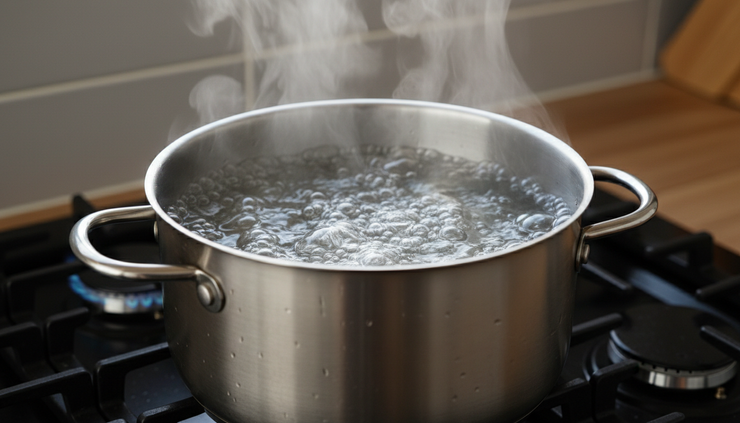
If using tap water, follow official boiling instructions from the water provider or health authority. Common public health guidance is to bring water to a full rolling boil and let it boil for the recommended time before cooling it in a clean container. If the official notice gives different instructions, follow the notice.
Bottled water is the easier option for many households, especially for infants, older adults, people with weakened immune systems, or anyone who cannot safely boil water.
Dishwashing also needs attention. If the notice says to use boiled or bottled water for washing dishes, follow that guidance. A dishwasher’s heat setting may not be enough unless the official notice says it is acceptable. Handwashing dishes with unsafe water can also leave contamination behind.
For bathing and showering, follow the official notice. Many boil-water notices allow bathing with caution, but people should avoid swallowing water. Infants and young children may need sponge baths to reduce the chance of swallowing water. Again, the posted notice is the source to rely on.
What Arizona Water Company says it is doing
Arizona Water Company’s response, as described in the official alert, includes shutting down the affected well, flushing the water system, disinfecting, and retesting.
Those actions matter because a water notice should not stay open-ended without a response plan. Customers need to know that the utility is working to identify the source, remove or isolate the affected part of the system, and verify water quality before normal use resumes.
Retesting is especially important. One clean action does not automatically end a boil-water notice. Water systems usually need follow-up testing to show the water meets safety standards before customers are told the notice is lifted.
That waiting period can be frustrating, but it protects people from returning to normal use too early. A notice should end only after the proper checks support that decision.
During this time, avoid relying on screenshots as the main source of information. Screenshots can be cropped, outdated, or shared without service-area details. Go directly to the utility’s official alert page and local public health sources when possible.
The official notice can be checked through Arizona Water Company’s Alerts & Outages page.
How to check whether a water warning applies to your address
The fastest way to avoid confusion is to identify the exact water provider for the address.
Start with the water bill. Look for the provider name, service area, account portal, or emergency notices section. If the provider is Arizona Water Company, check whether the service area listed matches Miami/Claypool.
Next, check the provider’s official website. Many utilities post alerts by water system, city, or service district. Read the notice carefully for the affected area, issue date, and instructions.
If the home is a rental, apartment, mobile home park, or shared property, the water bill may not be in the resident’s name. In that case, ask the property manager, landlord, or park office which water system serves the property. Then verify through the utility or local government source.
Reliable sources include:
The water provider’s official alerts page
The city or county government website
Local public health department notices
Direct calls to the utility’s customer service line
Official emergency alert systems, when used
Be careful with social media posts that do not show the full notice. A post may be accurate for one town but misleading for another. It may also continue circulating after the warning has changed or ended.
For Phoenix and Glendale residents, the current Miami/Claypool notice should not be treated as a local contamination warning unless the local water provider posts its own alert. If there is concern, check Phoenix or Glendale water service alerts directly, or check the provider listed on the water bill.
What to do while waiting for the all-clear
For affected customers, the safest plan is to make the temporary routine simple.
Keep safe water in one place. Use bottled water or cooled boiled water for all drinking and food tasks. Label containers if needed so no one accidentally uses untreated tap water.
Turn off automatic ice makers if they connect to the affected water line. Empty ice bins and discard ice that may have been made during the advisory. After the notice is lifted, follow any flushing instructions before using the ice maker again.
Tell everyone in the household what the notice means. That includes children old enough to get their own water, older relatives, guests, caregivers, and anyone preparing meals.
Businesses in the affected area should also take the notice seriously. Restaurants, coffee shops, schools, child care providers, clinics, and food service operations may have extra requirements. They should follow instructions from the water provider and any applicable health department guidance.
Do not assume clear-looking water is safe. Contamination usually cannot be judged by sight, smell, or taste. Water can look normal and still require boiling under an official notice.

The main takeaway for Arizona residents
The September 4, 2026 Arizona Water Company notice is real and should be followed by customers served by the Miami/Claypool water system in Gila County. Those customers should use boiled or bottled water for drinking, making ice, preparing food, and washing dishes until the utility says the notice is lifted.
For everyone else, the main step is to verify the water system serving the specific address. A warning in Miami/Claypool does not automatically apply to Phoenix, Glendale, or the rest of Arizona.
Use official sources, check the service area, and follow the instructions exactly if the notice applies. Water alerts are serious, but they are also specific. Getting the location right is the difference between useful caution and unnecessary panic.


Comments